Citizen science · Early-warning network · The Ten Minutes Foundation
The elephants heard it first. Now we will, too.
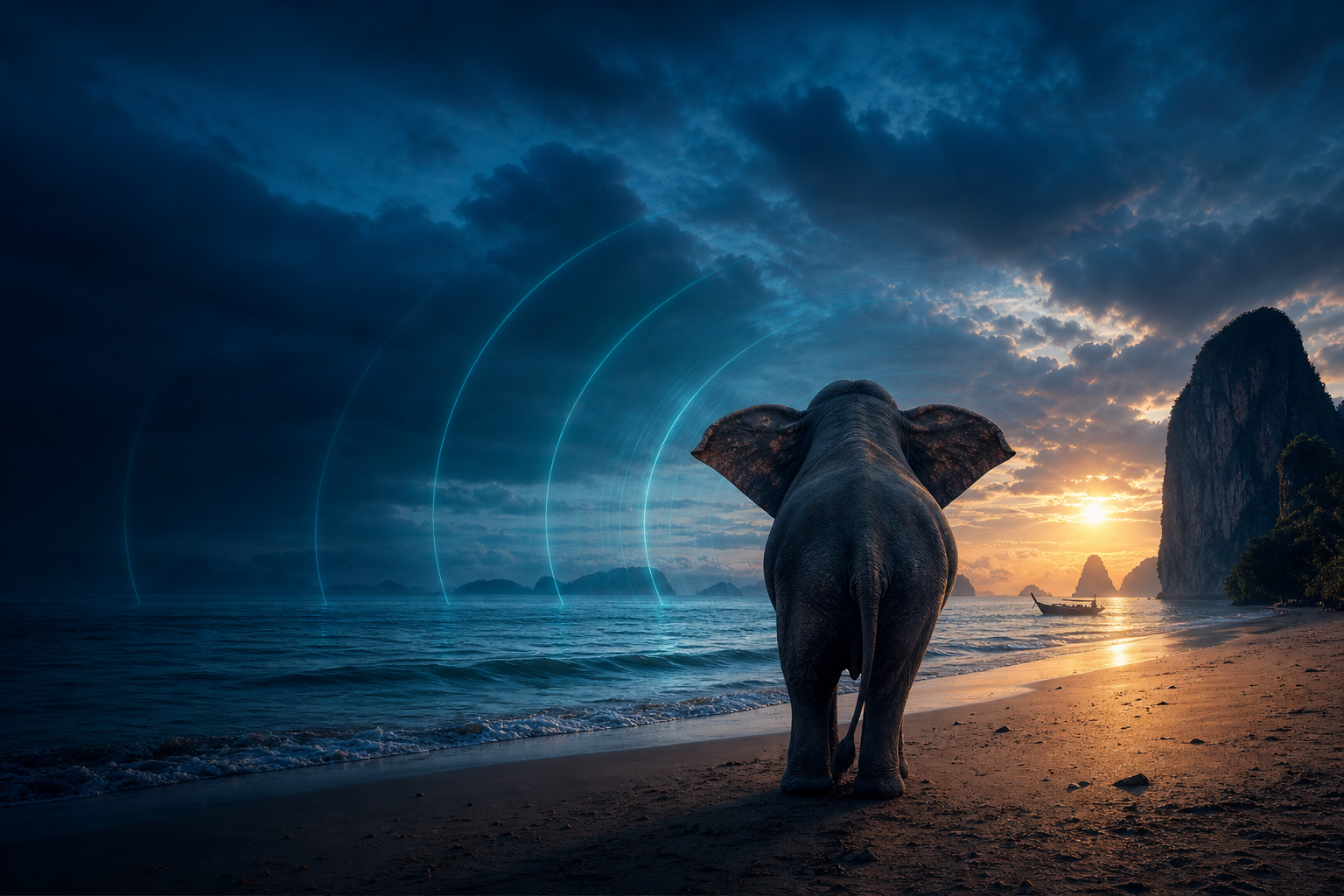
On December 26, 2004, elephants all along the Andaman coast broke their chains and ran for the hills — minutes before the tsunami arrived. They heard something we can't. We're building a network of hundreds of thousands of home sensors that will listen to the ocean and the volcanoes the way they do.
Born in Phuket — a place that remembers how it happened.
December 26, 2004 · 07:58 local time
By the time the wave reached Phuket, the animals were already in the hills.
Khao Lak and Phuket, Thailand
That morning, a magnitude 9.1 earthquake tore open the ocean floor off the coast of Sumatra. The tsunami took more than two hours to reach the Thai coastline. There was time. There was no warning.
Witnesses across the region told the same story: elephants trumpeted and broke their chains as they fled uphill, dogs refused to go to the beach, flamingos abandoned their low-lying nests — all of it before the water came.
The leading scientific explanation is infrasound: sound below 20 Hz, inaudible to humans. Both the earthquake itself and the wave generate it. Traveling through air and ground, it moves many times faster than a tsunami.
We can't put an elephant in every home. But we can put in something that listens to the world the way an elephant does.
Why minutes decide everything
227,000+
lives were taken by the 2004 tsunami across 14 countries — many died in places the wave reached more than an hour after the quake.
~340 m/s
the speed of infrasound in air — several times faster than a tsunami in the open ocean (~200 m/s), and incomparably faster near the shore.
10 minutes
of warning is enough to get 800 meters from the shore or climb to the third floor. In 2004, that was the price of a life.
2022
the infrasound wave from the Hunga Tonga eruption circled the Earth several times and was recorded by sensors worldwide. The physics is proven.
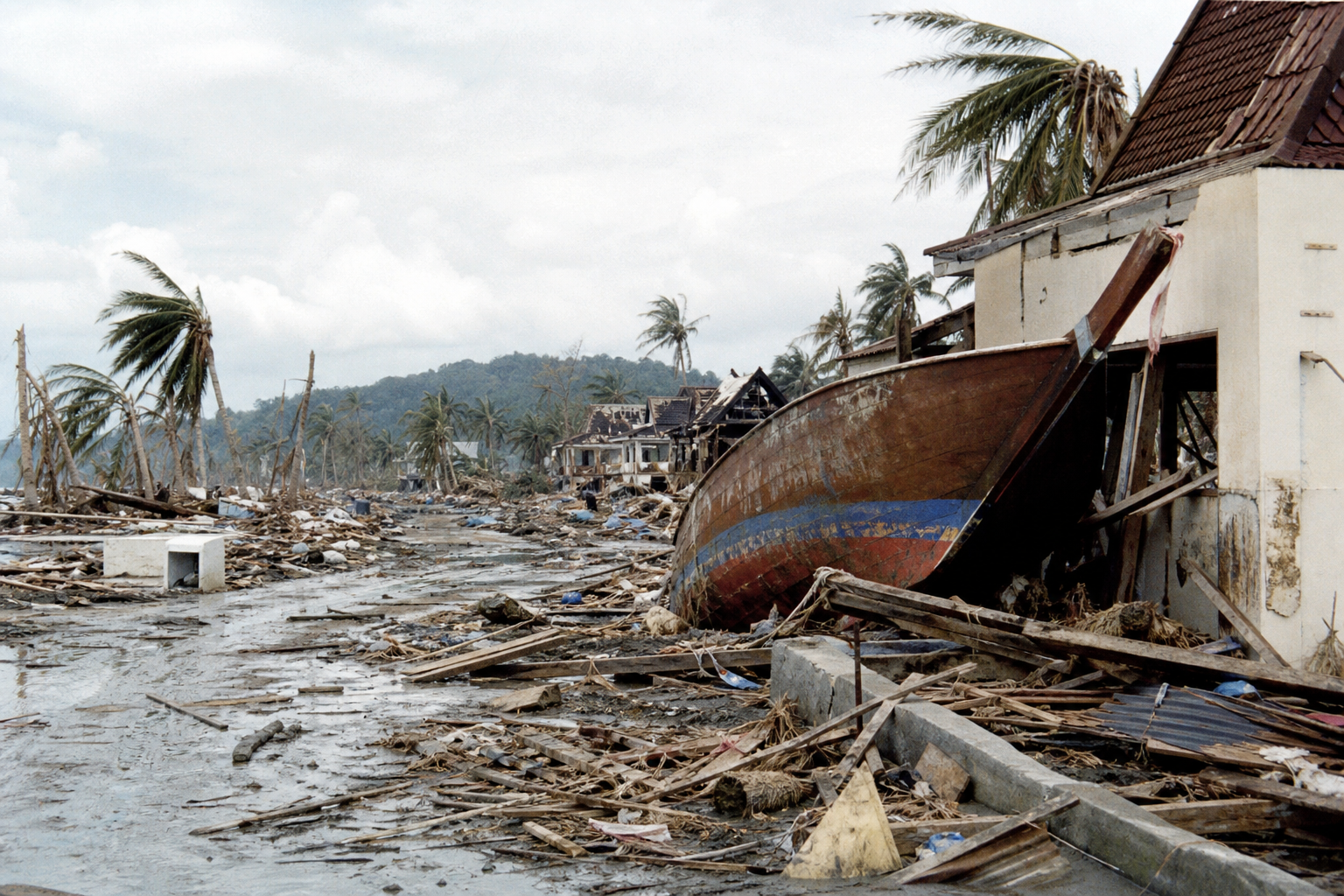
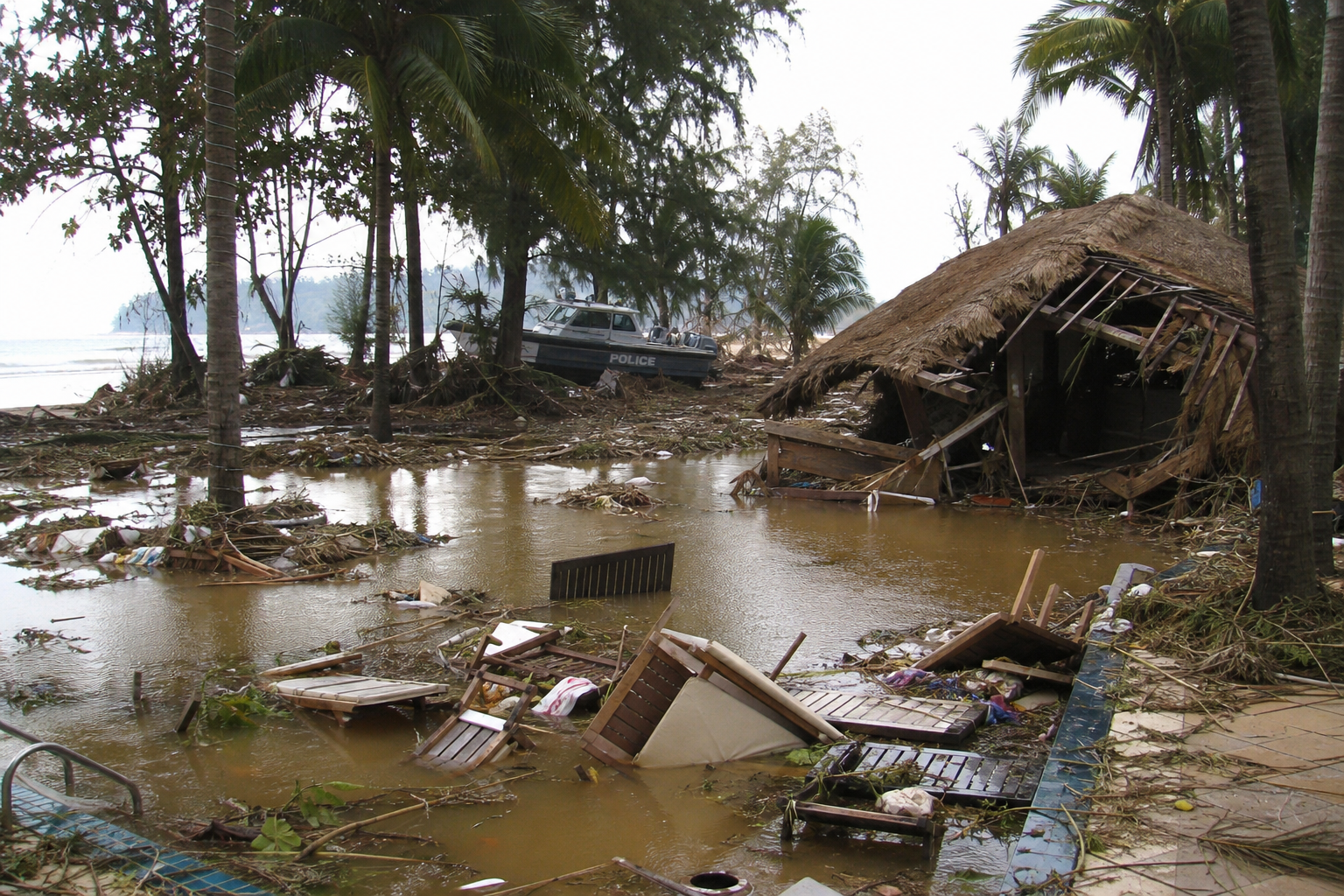
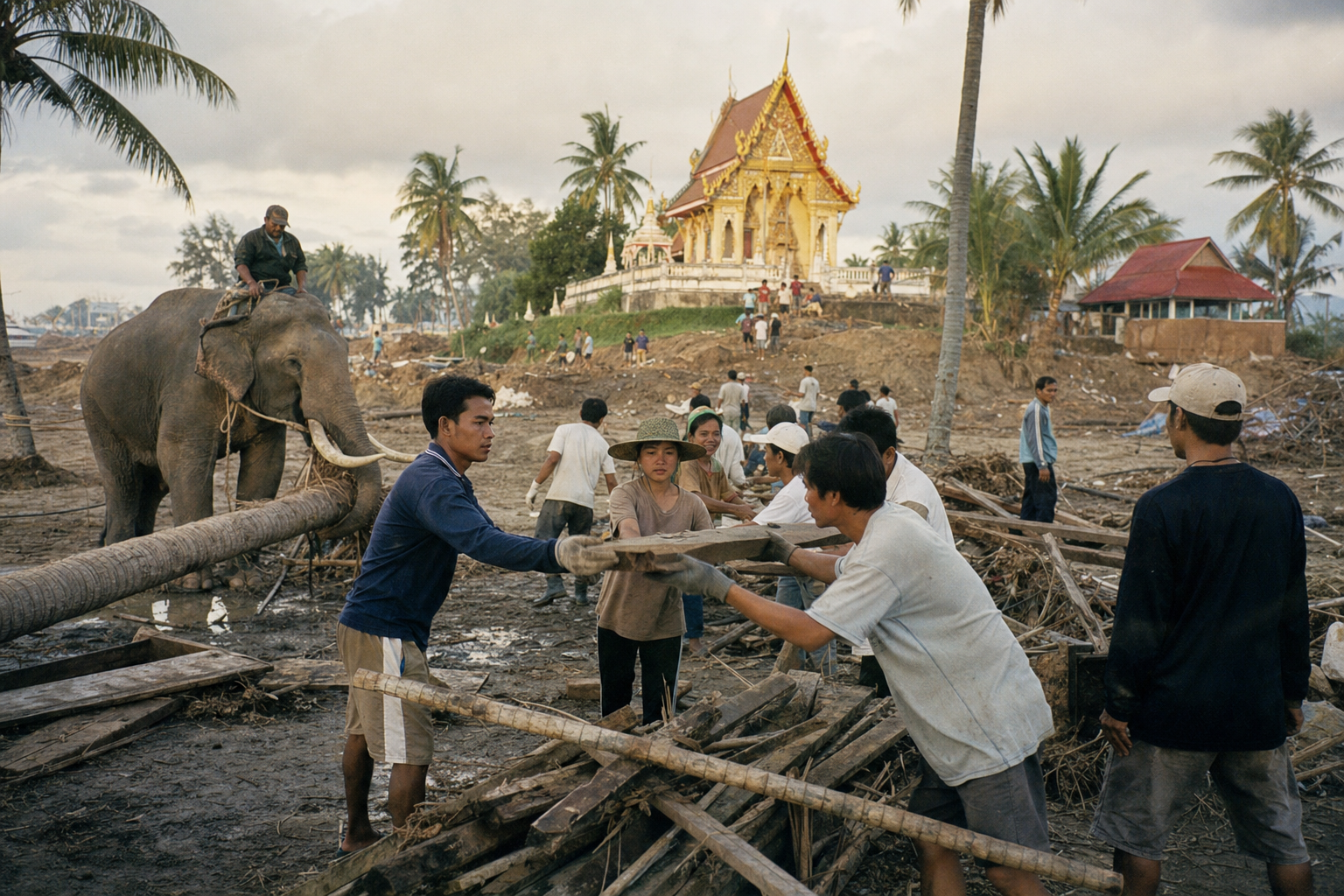
December 2004. This is what a coastline without warning looked like.
Documentary reconstruction of scenes from those days
Khao Lak. Fishing boats were found a kilometer inland — the wave carried them through villages like driftwood.Phuket. The beachfront hotels took the first hit — the people on the shore didn't get a single minute of warning.The first days after the wave: everyone cleared the debris together — helped by those very same elephants. The temples on high ground survived.
Science
One sensor hears noise. A hundred thousand sensors hear the ocean.
A single cheap microbarometer can't tell a tsunami from a slammed door. But when thousands of sensors along a coastline pick up the same low-frequency signature — in the right order, with the right geographic delays — that's no longer noise. That's an event. It's exactly how Google turned ordinary smartphones into a global earthquake detector.
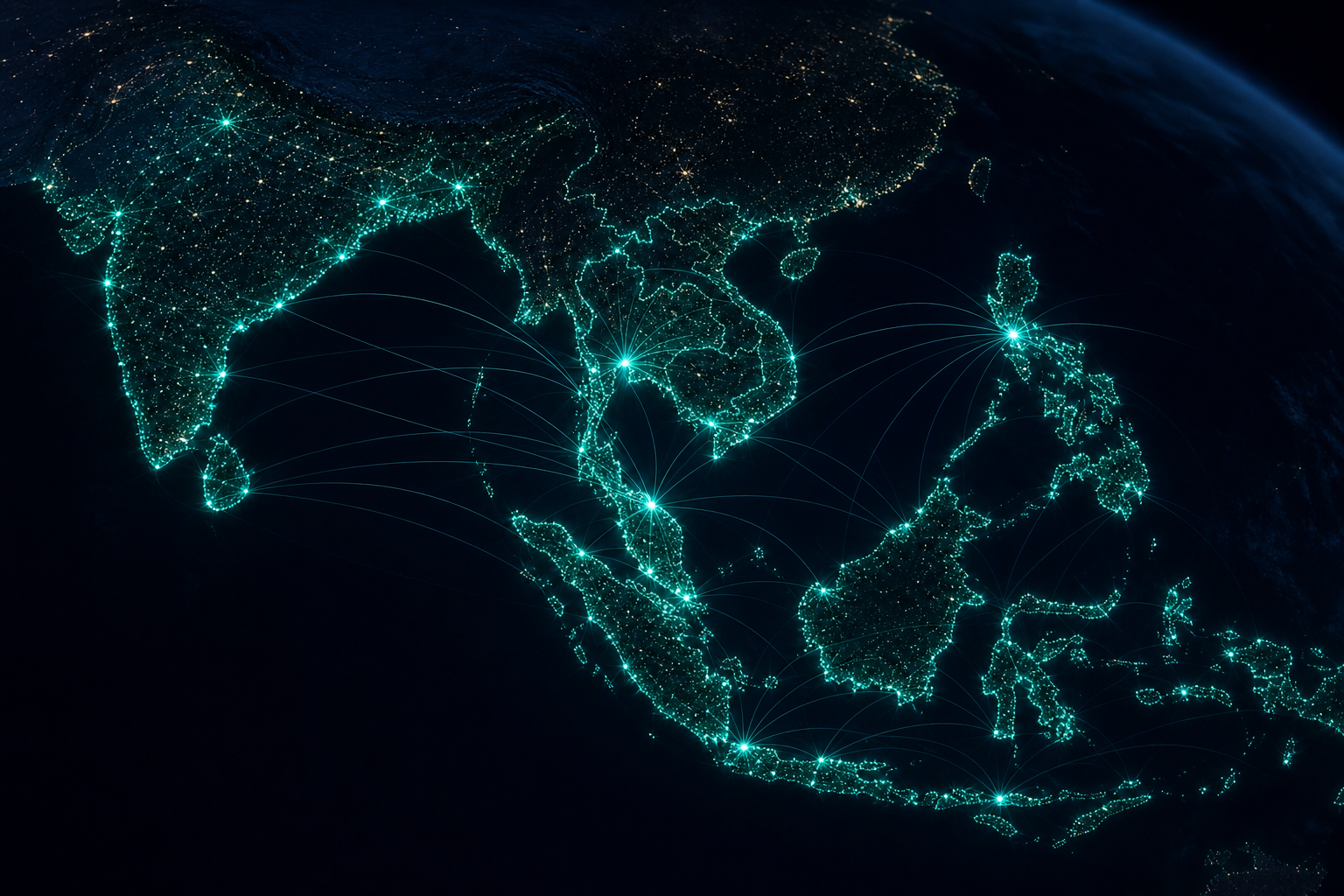
The goal: one continuous "ear" along the coastlines of the Indian Ocean and the Ring of Fire
T + 0 minutes
The ocean speaks
An undersea earthquake or eruption produces infrasound — pressure waves below 20 Hz that race through the atmosphere, outrunning any tsunami.
T + minutes
The network hears
Every HERD sensor streams 50 readings per second to the cloud, along with its GPS coordinates. Algorithms cross-match signals from thousands of stations by time and location.
Before the wave arrives
The signal rises
When enough independent sensors agree, the event is registered, cross-checked against seismic data, and published openly — to scientists, agencies, and every member of the network.
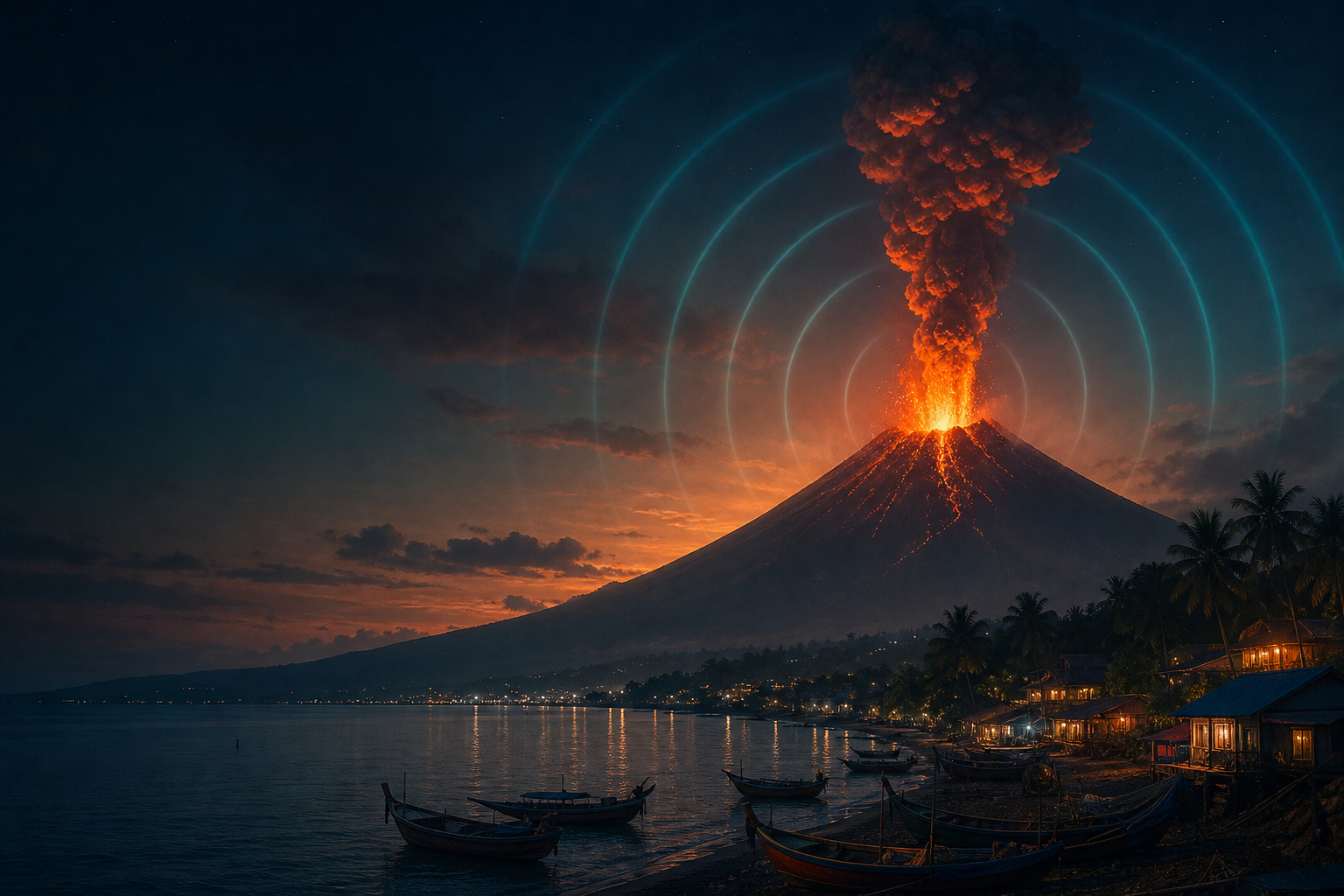
Volcanoes scream in infrasound. And we know exactly where they stand.
An eruption is the loudest infrasound source on the planet: the 2022 Hunga Tonga blast was heard by sensors around the world. And volcanoes give us one enormous advantage: the danger is geographically predictable. Merapi, Taal, Mayon, Sinabung — we already know every mountain with millions of people living beside it. Which means we know where the HERD network needs to be dense from day one.
The same $15 sensor listens to both the ocean and the mountain. Two threats covered — without a single extra component.
~800 million
people live within 100 km of an active volcano
127
active volcanoes in Indonesia alone — more than anywhere else on Earth
0.01–20 Hz
the infrasound range of eruptions — exactly the band HERD One hears
53 of 53
stations in the global IMS network recorded the Hunga Tonga eruption
HERD One
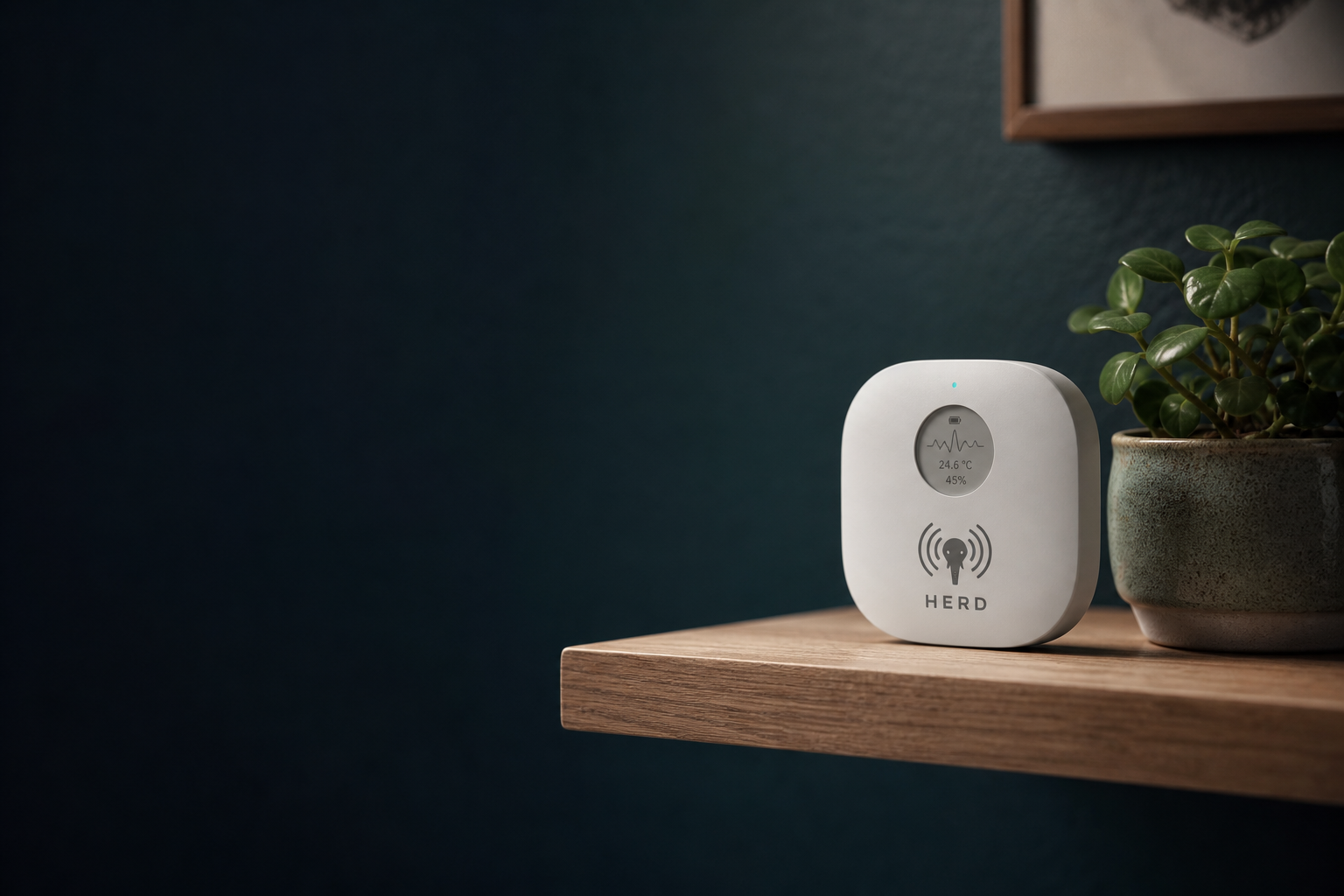
A scientific instrument that looks like a smart-home gadget.
High-precision MEMS barometer, 50 readings per second — sensitive across the 0.01–20 Hz infrasound range
GPS module: the sensor knows where it stands — the network builds itself automatically
Powered by any USB port, Wi-Fi, set up in 90 seconds
A bonus every single day: a precision weather station — pressure, weather fronts, storm warnings
Your station appears on the live network map under any name you choose
All network data is open — free to scientists, forever
For residents of Thailand and coastal regions
฿199 ≈ $6
The local price. Subsidized by international sales and sponsors: the network needs to be dense exactly where people live — not just where tourists stay.
International price
$15
Every international purchase pays to make sensors cheaper for coastal villages. Buy one — help place another.
HERD was built by people from audit and AML compliance — including the creator of SOURCEReady, a source-of-funds verification system. Hence the project's core principle: not a single number you can't verify. No "marketing" percentage for charity. Here is the full breakdown of every sensor sold — published quarterly, with an audit.
$9
Full cost: components, assembly, certification, delivery to your door, support, returns
$6
To The Ten Minutes Foundation — fixed, from every device. Every sensor buys someone ten minutes.
Costs fall as production scales? Good: the difference goes not into margin, but into lowering the local price for coastal residents. This rule is written into the charter.
HERD Ltd
Operating company
Builds and sells the sensors, develops the analytics platform
Earns revenue from government contracts, insurers, and API access — not from sensor margins
Can raise investment to scale up production
The sensor isn't the product. The sensor is the door into the network.
The Ten Minutes Foundation
Independent board · public reporting
Ten minutes of warning means 800 meters from the shore, or the third floor. It means a life. The Foundation exists to give those minutes to millions of people.
Owns the network's open dataset — it can never be sold or closed off
Funds the elephant research lab and scientific grants
Subsidizes sensors for coastal villages, schools, and fishing communities
Modeled on the Raspberry Pi Foundation, Mozilla, Signal.
The network's brain
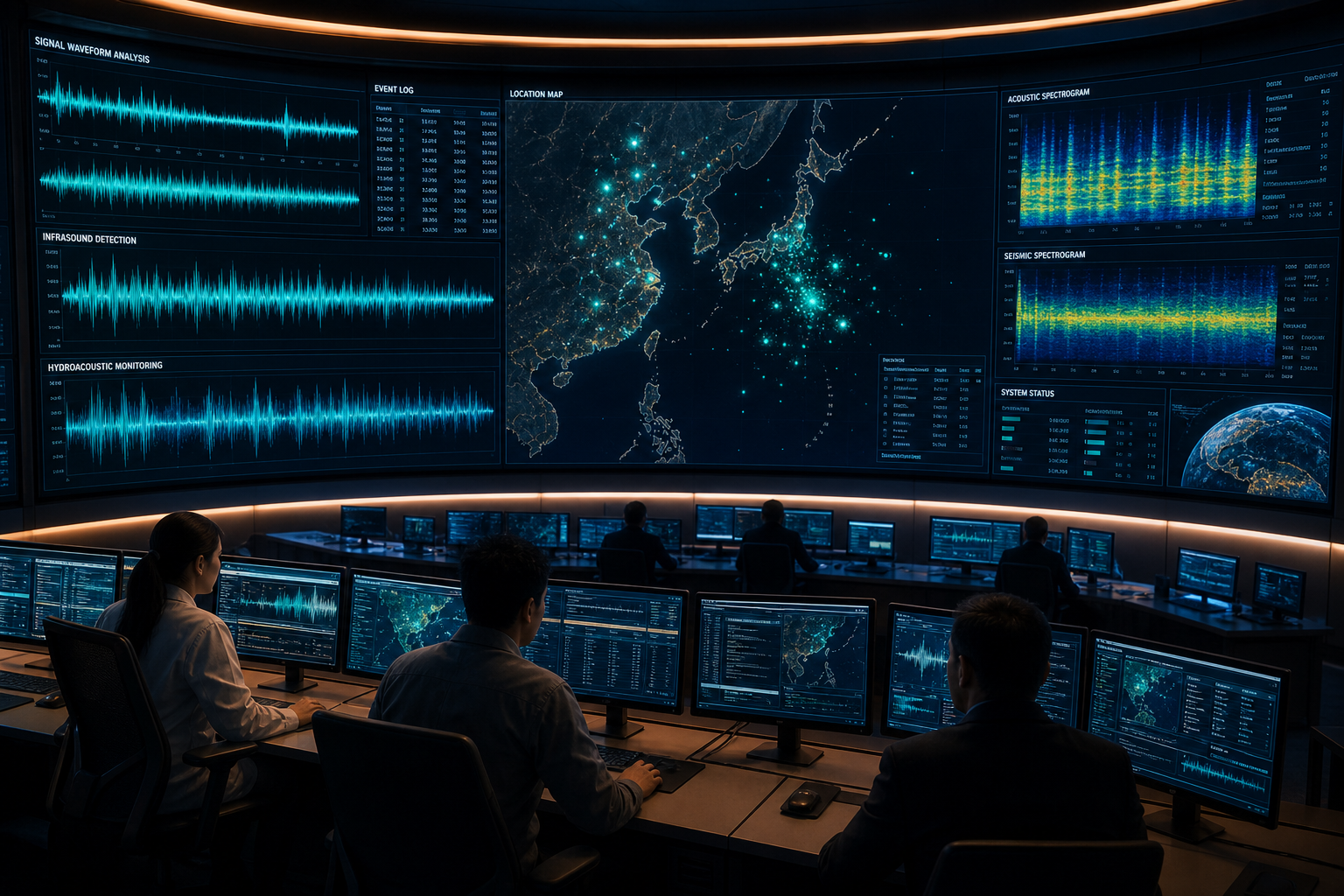
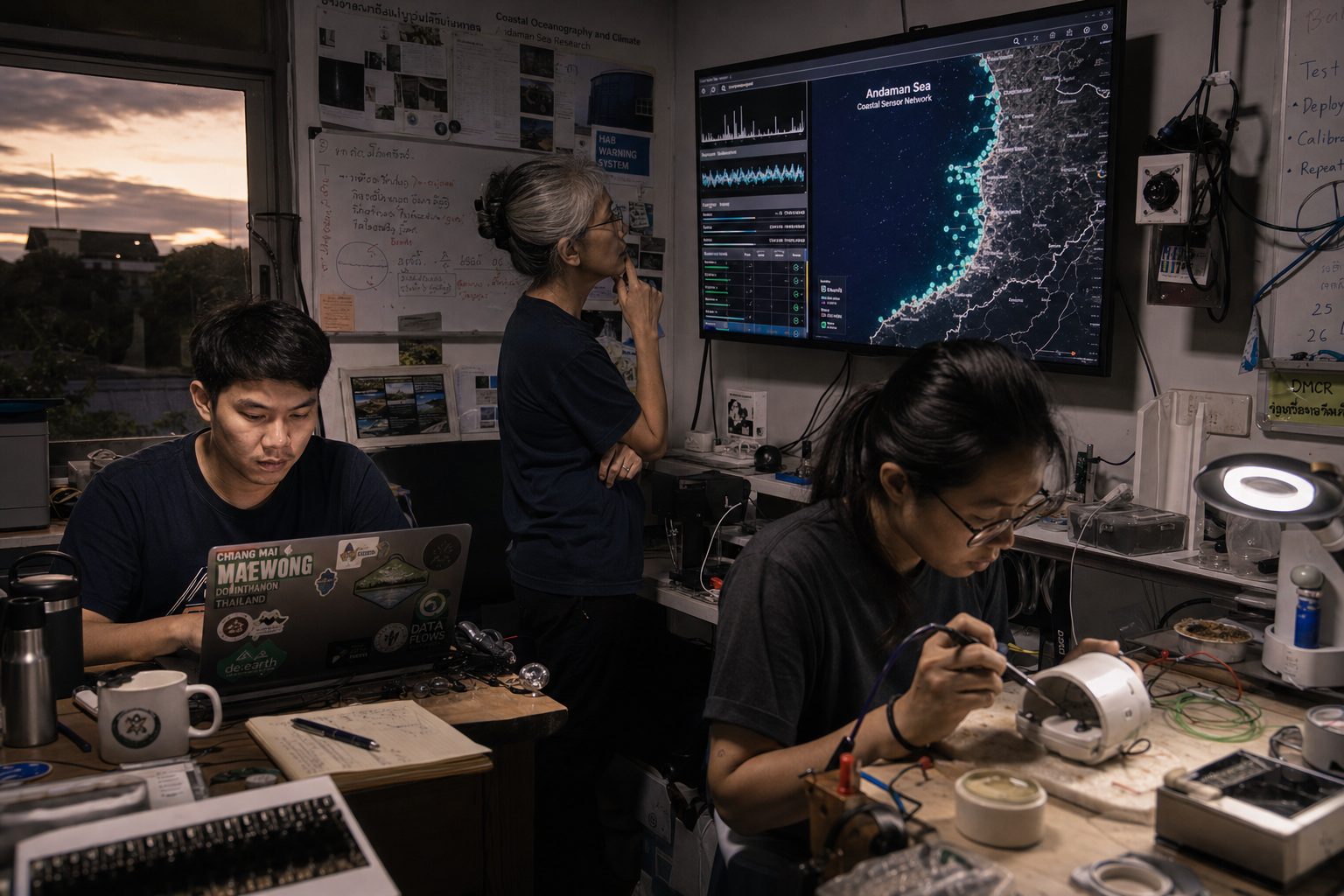
One analytics center. A hundred thousand ears — a single sense of hearing.
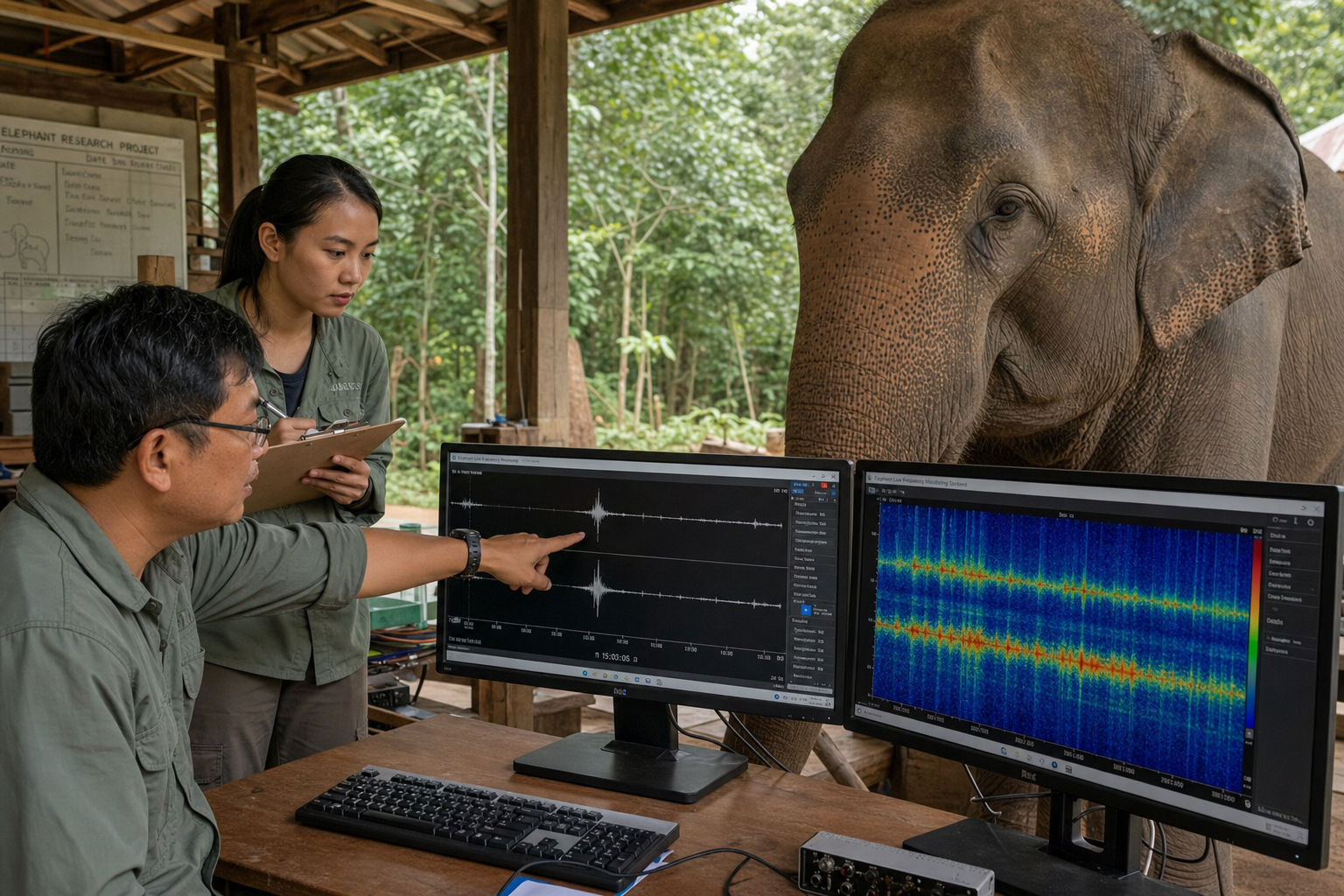
The network's data processing center: waveforms, spectrograms, and a real-time event map
The stream
Raw data from every station
Each station streams pressure readings and coordinates. Billions of measurements a day from the coastlines of five countries.
Correlation
Algorithms look for agreement
Machine learning separates trucks and thunderstorms from geophysical events: a real signal moves across the map at a physically correct speed.
Openness
Everything visible to everyone
A live map, live waveforms, every detected event. Members see exactly what we see. No closed rooms.
The HERD Lab · Thailand
A campus where the senior research staff are elephants.
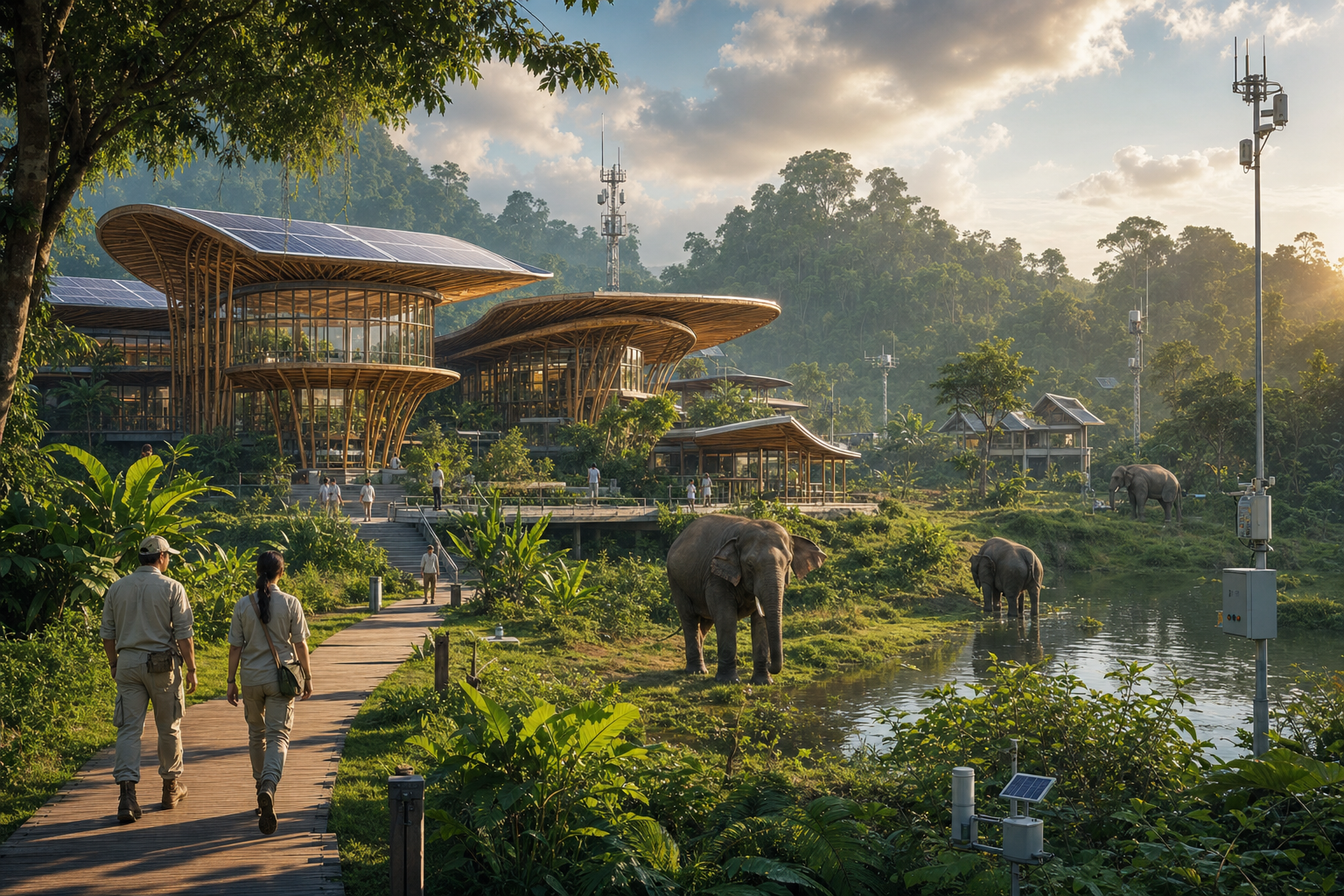
Elephants are the finest infrasound detectors nature ever built: they hear what our instruments are only learning to recognize. We're building the world's first laboratory where elephants and sensors listen to the planet together — and we calibrate the technology against a living benchmark.
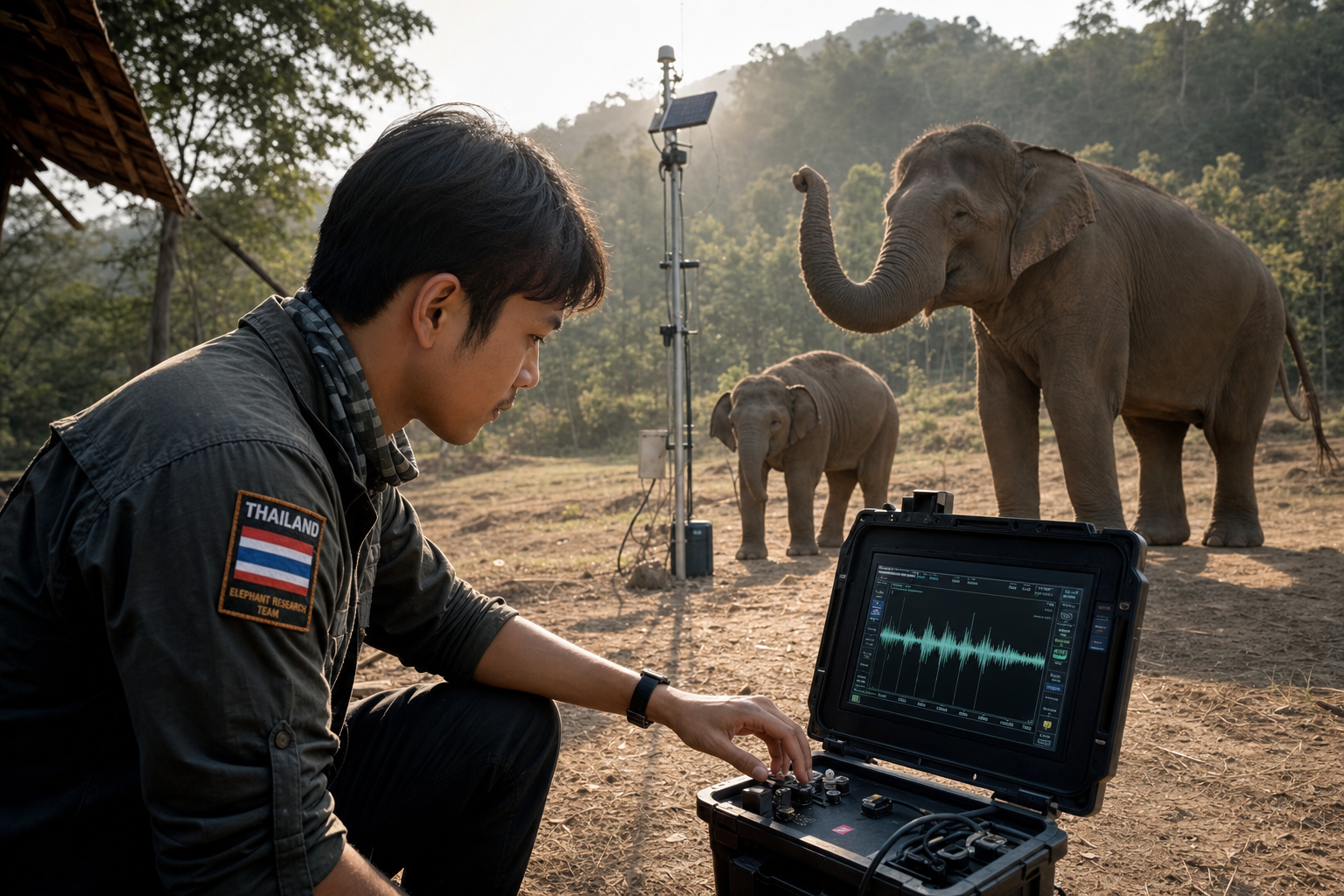
Campus concept: open pavilions, solar panels, free-roaming elephants, and sensor stations across the grounds
What we'll study
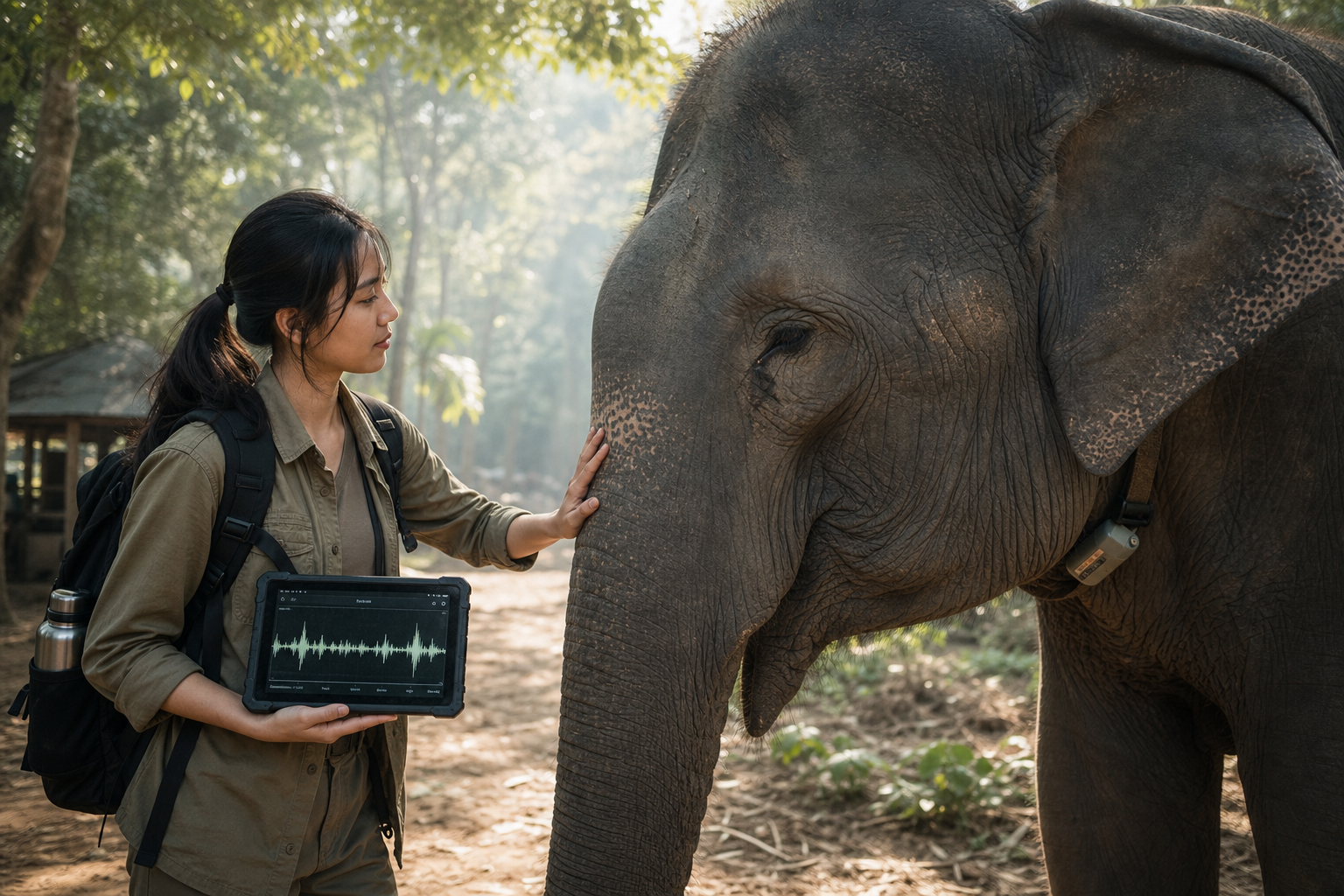
Elephant hearing as the benchmark. Non-invasive wearable sensors on the animals (with veterinarians and an ethics committee) + infrasound stations all around. When an elephant reacts to a signal before our instruments do — we learn from it and improve the algorithms.
Behavior before events. Systematic recording of what in 2004 existed only as eyewitness stories: precisely how animals sense an approaching catastrophe.
Phase one — this year: a partnership with an ethical elephant sanctuary in Thailand, our stations on its grounds, one full-time researcher, and an open scientific journal for the project. The dream campus is the next step, once the network and the Foundation are standing on their own feet.
Life at the lab
This is what our work will look like: a field station at the sanctuary, real-time monitoring, and elephants as full members of the research team.
Roadmap
From one prototype to a hundred thousand ears.
Phase 1 · Now
Prototype and sanctuary
Station #1 in Phuket. The elephant sanctuary partnership. Registering the company and the Foundation. Gathering the first hundred members.
Phase 2 · +6 months
100 stations · Andaman
The first batch of sensors on the Andaman coast. The first correlation data. Publishing the methodology and opening the live map.
Phase 3 · +18 months
10,000 stations · 5 countries
Thailand, Indonesia, the Philippines, Sri Lanka, India. Dense sensor rings around Merapi, Taal, and other volcanoes. Mass production, the ฿199 local price.
Phase 4 · The goal
100,000+ · The campus
Full coverage of the Indian Ocean. The laboratory campus. A system validated by independent science — a candidate for the official warning infrastructure.
#1
the first station is being built in Phuket — with an open journal from day one
$6
from every sensor goes to The Ten Minutes Foundation — fixed and auditable
5 countries
in the first wave: TH · ID · PH · LK · IN
1 billion+
people live in tsunami and eruption risk zones across Asia
For partners · How the network sustains itself
For people in danger zones, the network is free. Those who benefit from its data pay for it.
We don't make money on sensor margins — and we never will. The project stands on three pillars: corporate sponsorship, government contracts, and open science that makes the network's data authoritative.
For companies
Sponsored networks · ESG / CSR
"Give a village hearing": 100, 1,000, or 10,000 sensors for coastal communities, schools, and fishing villages — in your brand's name
Your sponsor logo on the live network map — beside every station you've gifted
An auditable ESG report: how many stations, where, and how much coverage was added
A story your customers and employees will want to tell
The fourth pillar is insurance: the network's data on real events is exactly what insurers and reinsurers need for parametric products. If you're in this industry — write to us.
Read this before you buy
We're not selling a guarantee. We're inviting you into an experiment.
Let's be honest with each other. Today, no consumer device on Earth can promise to warn you of a tsunami or an eruption — and anyone who promises that is lying. Here's what we actually promise: your sensor will become one node in the densest infrasound listening network in history. It might take a year. It might take ten. But if one day this network gives a single coastline ten extra minutes — every bit of this will have been worth it. At last, in our lifetime.
The HERD Pledge
No false promises. Until the system is validated by independent science, HERD is a research network — not a certified alarm.
Open data. Every reading from every sensor is published openly — for researchers and warning services.
Transparent money. The cost breakdown and the Foundation's reports are published with an audit. Every cent is verifiable.
Science first. We work with universities and publish our methods — including our failures.
Batch #1 · only 100 founder seats
Become a co-author of saving millions of lives.
We're opening reservations for the first batch. Your $15 is a refundable deposit: it locks in a sensor from the first thousand and your station number in the network. Change your mind — get it all back, in one click, no questions asked, any time before shipping.
Step 1 · Today
Reserve your seat
Put down $15, get your station number and access to the open development journal.
Step 2 · Before shipping
Confirm — or walk away
We write to you: confirm your shipping address or take your deposit back. No automatic charges, ever.
Step 3 · Delivery
Your station joins the network
The sensor ships to you, and your station appears on the live map under any name you choose.
Deposits are taken by HERD Pte. Ltd. (Singapore). Estimated shipping for the first batch — H2 2026. This is a pre-order for a device in development, not a purchase of a finished product. The payment link arrives in your confirmation email.
Support R&D
Want to give the project more than $15?
You can support development with any amount. Honestly and plainly: this is neither a donation nor an investment — it's R&D support for HERD Pte. Ltd., a commercial company. You don't get equity or a tax deduction. What you do get: your name on the list of the network's first co-authors, a spending report every quarter, and our word that every dollar goes into sensors, the Phuket station, and the algorithms.
By card — any amount
Payments via Stripe: cards, Apple Pay, Google Pay, and local Asian methods. Every contribution goes into a public quarterly spending report.
Once The Ten Minutes Foundation is registered, we'll open a separate channel specifically for charitable giving.
We accept BTC and USDC at company addresses. Legally, it's the same R&D support for HERD Pte. Ltd. — not an anonymous donation: above the equivalent of $1,000, we'll ask you to contact us and pass a simple verification. The addresses and every incoming transaction are public — see for yourself.
BTCaddress will appear here once the wallets go live
USDC · ERC-20address will appear here once the wallets go live
Honest questions
The things you were going to ask anyway.
Is it safe to pay for something that doesn't exist yet?
That's exactly why we made the deposit refundable. Your $15 sits there, reserved for you, until you confirm shipment. Decide to walk away — the money goes back to the same card. We're here to earn trust, not to collect cash.
When will I get my sensor?
We're aiming for the second half of 2026 for the first batch. We're building the station and running the tests in the open: every step goes into the project journal. If the timeline slips, you'll be the first to know — and your right to a refund isn't going anywhere.
Why does a company take the money, not the foundation?
Because The Ten Minutes Foundation is still being registered, and we refuse to lie about it. A pre-order is a commercial transaction with HERD Pte. Ltd. Once the Foundation is registered, $6 from every sensor sold will flow into it — exactly as promised in our open economics, and you'll be able to verify it in the reports. A team with a background in audit and AML understands the value of clean money better than most.
Will the sensor definitely warn me about a tsunami?
No — and don't believe anyone who promises that. HERD is a research network, not a certified alarm. Your sensor is one node in an experiment that may one day give coastlines precious minutes. It does not replace official warning channels.